

Overview
what it is and why it mattersThe TFCC, short for triangular fibrocartilage complex, is a small cushion of cartilage and ligaments on the pinky side of your wrist. It does two jobs: it cushions the load that travels through the wrist when you press down through your hand, and it holds the two bones of your forearm together at the wrist (the distal radioulnar joint). TFCC tears come in two kinds. Traumatic tears come from a fall on an outstretched hand or twisting the wrist hard under load. Degenerative tears come from years of wear, especially in patients whose ulna bone sits a little longer than the radius (called positive ulnar variance) and grinds the cushion over time.
The classic symptoms are pain on the pinky side of your wrist, clicking when you twist your forearm (turning a doorknob, using a screwdriver), and sometimes a sense that the two forearm bones are shifting against each other when you load the wrist.
How We Make the Diagnosis
exam first, imaging secondDiagnosis starts with a focused physical exam of the wrist. The most sensitive imaging is an MRI with contrast injected into the joint (MRI arthrography), but the true gold standard is wrist arthroscopy, a small camera in the joint, which has the bonus of letting us treat the tear in the same operation.
How We Treat It
how care progresses1
Long-arm splinting or casting
For an acute tear, the wrist goes into a long-arm splint or cast with the forearm held palm-up. That position takes the load off the torn ligaments and lets the cushion settle. Motion is gradually added back in once the structures have stabilized.
2
Corticosteroid injection
An ultrasound-guided steroid injection placed precisely in the joint calms the inflammation around a partial tear and often quiets the pinky-side pain enough to make rehab productive.
3
Physical therapy
Once the acute pain has eased, structured PT focuses on strengthening the small muscles that stabilize the two forearm bones at the wrist: they act as backup support when the ligaments are stretched.
When Surgery Is on the Table
if non-operative care isn't enoughSurgery is the answer for complete tears that have left the wrist unstable, for partial tears that haven't quieted with bracing and injection, and for any TFCC tear where the ulna bone sits too long and is grinding the cushion (in that case, shortening the ulna may be addressed during the same operation). The repair is done arthroscopically, small punctures with a camera, to either stitch the torn cushion back to the bone or trim a degenerative tear that can't be repaired.
Providers Who Treat TFCC Tears
sports-medicine team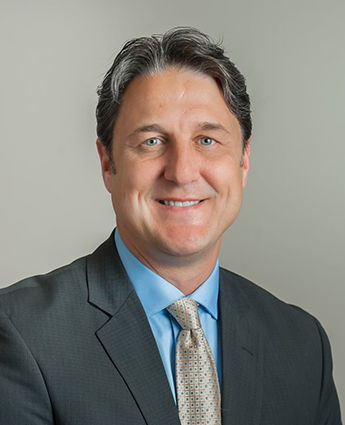


Frequently Asked
questions we hear in clinicWhat exactly is the TFCC?
TFCC is short for triangular fibrocartilage complex, a small cushion of cartilage and ligaments on the pinky side of your wrist. It does two jobs: it cushions the load that travels through the wrist when you press down through your hand, and it holds the two bones of your forearm together at the wrist.
How does a TFCC tear happen?
TFCC tears come in two kinds. Traumatic tears come from a fall on an outstretched hand or twisting the wrist hard under load. Degenerative tears come from years of wear, especially in patients whose ulna bone sits a little longer than the radius (called positive ulnar variance) and grinds the cushion over time.
What does a TFCC tear feel like?
The classic symptoms are pain on the pinky side of your wrist, clicking when you twist your forearm (turning a doorknob, using a screwdriver), and sometimes a sense that the two forearm bones are shifting against each other when you load the wrist.
What is the best test for a TFCC tear?
The most sensitive imaging is an MRI with contrast injected into the joint (MRI arthrography). The true gold standard is wrist arthroscopy, a small camera in the joint, which has the bonus of letting us treat the tear in the same operation.
Why a long-arm splint or cast?
For an acute tear, the wrist goes into a long-arm splint or cast with the forearm held palm-up. That position takes the load off the torn ligaments and lets the cushion settle. Motion is gradually added back in once the structures have stabilized.
When is surgery the answer?
Surgery is the answer for complete tears that have left the wrist unstable, for partial tears that haven't quieted with bracing and injection, and for any TFCC tear where the ulna bone sits too long and is grinding the cushion. In that case the ulna is shortened in the same operation.
What happens during the surgery?
The repair is done arthroscopically, small punctures with a camera, to either stitch the torn cushion back to the bone or trim a degenerative tear that can't be repaired.
Further Reading
authoritative sourcesExternal patient-education references and related OSI pages for additional background: